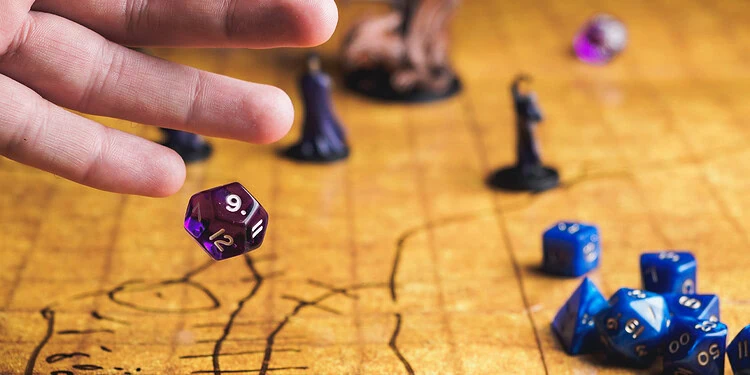
A recent study published in the journal Transcultural Psychiatry provides evidence that the personal bonds people form with fictional characters in tabletop role-playing games can lead to noticeable improvements in their real-life sense of identity. The research suggests that using these games in clinical settings could be an effective way to help patients build self-esteem and process personal struggles. This psychological growth tends to happen most reliably when the gaming environment feels safe and socially supportive.
The project was guided by Jeffrey G. Snodgrass, a professor in the Department of Anthropology and Geography at Colorado State University. Snodgrass directs the Ethnographic Research and Teaching Laboratory, known as ERTL, and wrote the book The Avatar Faculty: Ecstatic Transformations in Religion and Video Games. “It was a collaborative study involving faculty and students and is part of my lab’s long-term aim to productively combine research and teaching,” Snodgrass told PsyPost.
Mental health professionals have started incorporating tabletop games like Dungeons and Dragons into psychological treatments. To explain the motivation for the study, Snodgrass noted, “This work represents my lab’s latest exploration of relationships between gaming and well-being.” He added that games like Dungeons and Dragons are particularly interesting because players form intensive relationships both with their characters and with other players in their gaming groups.
Drawing on concepts from drama therapy, the scientists wanted to see if the informal character creation that happens in living rooms mimics clinical processes. “Players also are able to imaginatively explore alternative identities via their characters,” Snodgrass explained. “We anticipated that such processes might contribute to these games’ therapeutic dimensions, in the manner they could help players improve their sense of self.”


Leave a comment